
Architectural Lighting · 3 min read
Magnetic Track Lighting: Flexibility Meets Design
Modern interiors demand flexibility. Magnetic lighting systems allow lighting elements to be positioned and adapted while maintaining a clean architectural aesthetic.
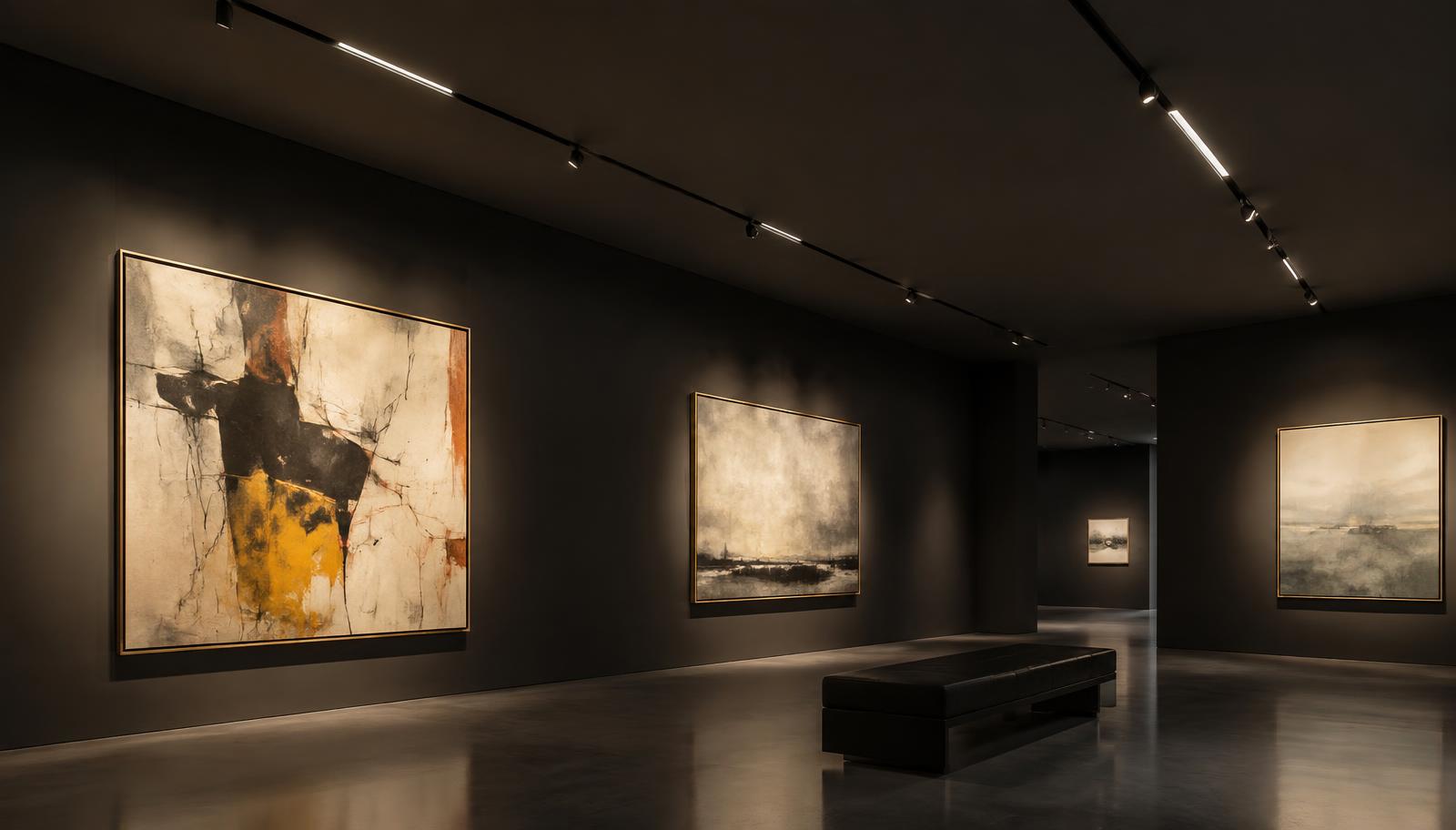
Interiors change. Furniture moves, artwork rotates, shop displays are refreshed each season. Fixed lighting positions struggle to keep up.
Magnetic lighting systems answer this with a simple idea: a slim powered track into which lighting modules attach magnetically, so light can be added, removed or repositioned without rewiring.
What are magnetic lighting systems?
A magnetic lighting system consists of a low-profile track — recessed into the ceiling, surface mounted or suspended — which carries low-voltage power along its length. Compatible modules such as spotlights, linear lights and grille lights attach to the track and connect to power through magnetic contact.
Because the track can be integrated flush with the ceiling, the system reads as a clean architectural line rather than a collection of individual fittings.
Why flexibility matters
Lighting is often designed around a single layout. When that layout changes, fixed downlights can end up illuminating empty floor while a new dining table or display sits in shadow.
A magnetic track separates the infrastructure (the track and its power supply) from the light itself (the modules). The infrastructure stays put; the light can follow the use of the space.
Adjustable lighting positions
Modules can slide along the track to a new position and, in the case of adjustable spotlights, be rotated and tilted to aim the beam. This makes fine-tuning after installation straightforward — a real advantage when lighting artwork or merchandise, where a small change in angle makes a noticeable difference.
Types of modules
Spotlight modules
Directional spotlights provide accent light for artwork, feature walls, displays and tables. Different beam angles allow the light to be tight and dramatic or broad and soft.
Linear modules
Linear modules provide wider, more diffused light along the track, useful for general illumination in corridors, kitchens and workspaces. Mixing linear and spotlight modules on the same track combines ambient and accent light in one clean line.
Other module styles
Grille and multi-head modules offer glare-controlled light with a distinctly technical look. Always confirm which modules are compatible with a given track system before specifying.
Residential applications
In homes, magnetic lighting suits open-plan living and dining areas, kitchens and corridors. A single track can run the length of a room, with linear modules over circulation and spotlights over the dining table or art. If the furniture is rearranged, the light moves with it.
Mini magnetic systems, with a smaller track profile, are well suited to more intimate residential ceilings.
Retail applications
Retail is where magnetic lighting's flexibility pays off most. Displays change frequently, and every change of merchandise can be matched with a change of lighting — without an electrician. Spotlights draw attention to key products, while linear modules maintain comfortable general light.
Hospitality applications
Restaurants, bars and hotel lobbies benefit from a clean ceiling line and the ability to adjust light for new layouts or seasonal settings. Spotlights over tables create intimate pools of light, while the minimal track keeps attention on the interior design.
Galleries and display spaces
Exhibitions change regularly, and each artwork needs to be lit individually. Magnetic spotlights can be positioned and aimed piece by piece, while the recessed track keeps the ceiling visually quiet so the work remains the focus.
How magnetic lighting supports evolving interiors
When planning a system, consider the track route early — ideally at ceiling-design stage — and confirm the power supply and driver arrangement recommended for the specific track and modules.
- Add modules later as needs grow, without new wiring.
- Swap spotlights for linear modules as a space changes use.
- Re-aim accent light when artwork or displays change.
- Maintain one consistent, architectural ceiling line throughout.